
Apartment Moving in OC: How to Protect Your Deposit
Stairs, elevator reservations, and scuffed hallway walls are how apartment movers lose deposits. Here's the checklist that keeps yours intact.
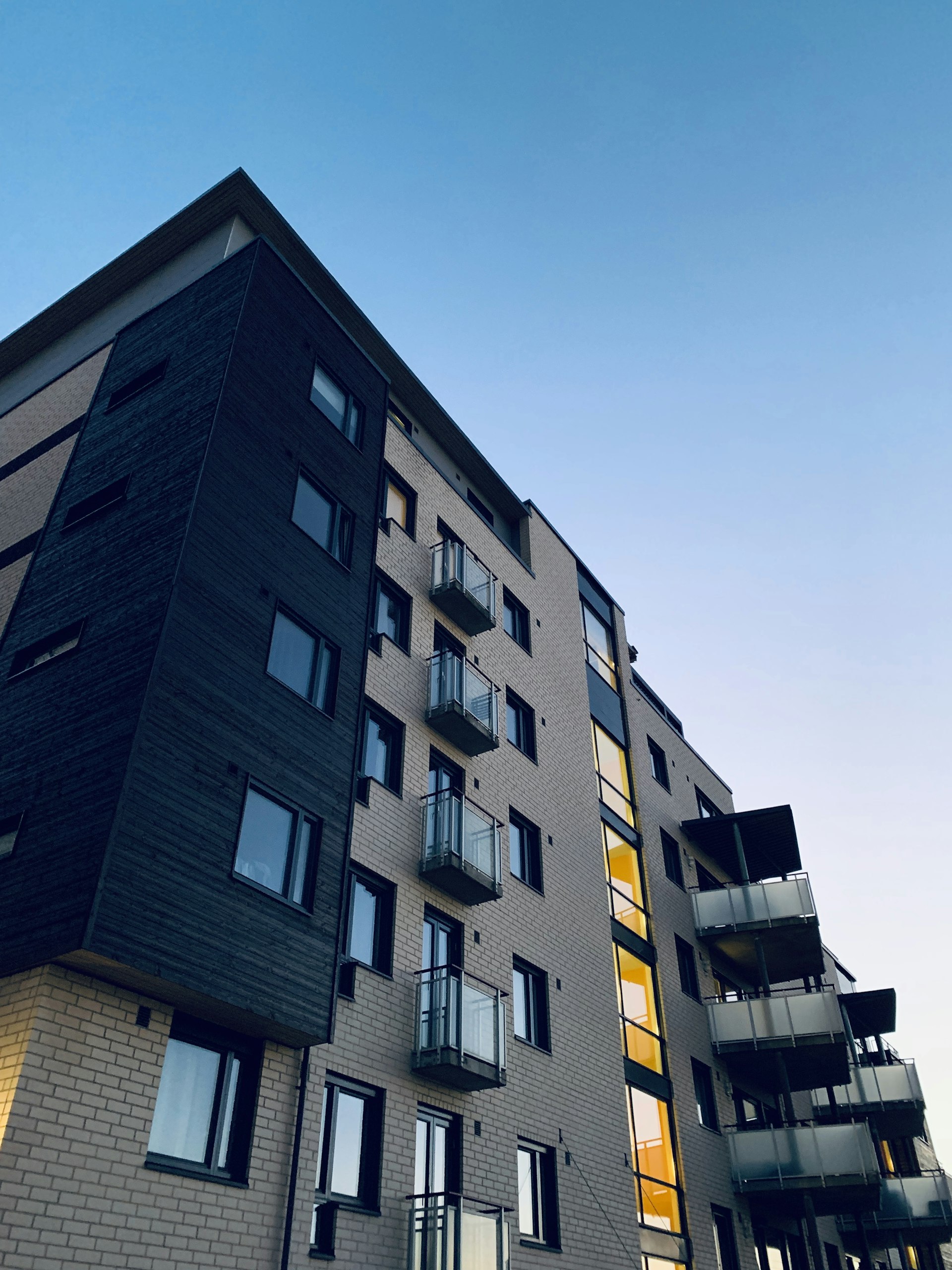
Losing part of a security deposit after an apartment move almost never comes down to one dramatic accident — it's a scuffed hallway wall, a dented elevator door, or a landlord's "general wear" line item that wasn't actually there before move-out day. Protecting your deposit means protecting the building on the way out, not just your furniture, and planning the logistics — elevators, stairs, parking — far enough ahead that nothing gets rushed.
How much does an apartment move cost in Orange County?
Apartment moves are billed at the same $119/hr rate as any local OC move, with a 2-hour minimum for van moves and a 3-hour minimum for truck moves. Because apartment moves are usually smaller and faster than house moves, most studios and one-bedrooms finish within that minimum window — which is why a two-mover crew, rather than a bigger truck crew, is typically the right fit for apartment and condo moves.
- Studio: usually finishes within the 2-hour minimum
- One-bedroom: typically 2–4 hours depending on floor access and how much is boxed and ready
- Two-bedroom apartment or condo: usually 4–6 hours
- Multiple flights of stairs or a slow shared elevator can push any of these toward the higher end
Do movers charge extra for stairs or elevators?
Not as a separate line item — with hourly pricing, stairs and elevators simply factor into the time, not a surprise fee added at the end. That's exactly why it matters to say, up front when you request a quote, what floor you're on and whether there's an elevator: it's how an accurate estimate gets built in the first place, instead of a number that changes once the crew sees the building.
Reserving the elevator — the step renters forget
Most OC apartment communities with elevators require a reservation window for move day, and more than a few buildings also want a certificate of insurance (COI) on file with the property office before a moving truck is allowed on-site. Both of these take a phone call, not a scramble, but only if that call happens weeks ahead instead of the night before.
- Call your leasing or property management office as soon as your move date is set and ask: is an elevator reservation required, is there a specific move-in/move-out window, and do you need a COI on file?
- If a COI is required, request it from your movers with enough lead time for the property office to process it — not the morning of.
- Confirm where the truck is allowed to park or stage, especially in buildings with a single loading zone shared by multiple units.
- Ask whether moving carts or dollies are allowed in the elevator, and whether there are protective pads the building requires on elevator walls.
What actually protects your deposit on move-out day?
The deposit risk in an apartment move isn't really about your belongings — it's about the hallway, the elevator, and the walls of the unit itself. A deposit-safe move-out comes down to a few consistent habits more than any single trick.
- Walk the move-out path (door, hallway, elevator or stairwell) before move day and note any existing damage with photos and a timestamp — this protects you if a landlord tries to blame a pre-existing scuff on the move.
- Ask your movers to pad door frames and tight corners before anything large goes through them, not after the first scrape.
- Keep furniture off the walls during carries — most hallway damage happens on turns, not straightaways.
- Do a slow final walkthrough of the empty unit: every closet, cabinet, behind doors, and the patio or balcony, which is easy to forget until the final inspection.
- Photograph the empty, cleaned unit before you hand back keys — it's the single best protection if a deposit dispute comes up later.
How far ahead should you book an apartment move?
One to two weeks ahead is comfortable for most studio and one-bedroom moves, with the last weekend of the month being the busiest window citywide — lease turnovers cluster there, from Costa Mesa complexes to Irvine high-rises. Mid-week and mid-month dates are easier to book and often calmer on moving day itself, since you're not sharing the building's single elevator or loading zone with three other move-outs at once.
What if your move is short notice?
Lease surprises happen — a sale falls through, a new job starts sooner than planned, a notice period runs shorter than expected. Short-notice and even same-week apartment moves are accommodated whenever scheduling allows, and because apartment moves are usually quick two-mover jobs, they're often easier to slot in on short notice than a full house move would be. It's always worth asking, even for a move a few days out.
Moving between apartments in the same complex
On-site transfers — moving from a second-floor unit to a ground-floor unit in the same building, for example — are common and usually quick, since there's no drive time between addresses. The same elevator-reservation and wall-protection rules still apply; the building doesn't care that the new unit is 40 feet away instead of across town.
Move Me is an insured and bonded Orange County moving company, and our two-mover crews handle stairs, elevator reservations, and COI paperwork as a standard part of every apartment move — not an upsell. Request a free quote with your floor and elevator details, and we'll build an accurate estimate around your actual building.